global@hmeonline.com
Mon to Fri 09:00 – 17:30






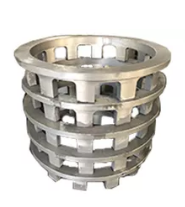
The quality inspection results of castings are generally divided into three categories: qualified products, reworked products and scrap products.
1) Qualified products refer to castings whose appearance quality and internal quality meet relevant standards or technical conditions for delivery and acceptance;
2) Reworked products refer to castings whose appearance quality and internal quality do not fully meet the standards and acceptance conditions, but are allowed to be repaired, and can meet the requirements of the standards and technical conditions for delivery and acceptance of castings after repair;
3) Waste products refer to castings that are unqualified in appearance and internal quality, and are not allowed to be repaired or still fail to meet the requirements of standards and technical conditions for delivery and acceptance after repair. Waste products are divided into internal waste and external waste. Internal disused finger
Waste castings found in the foundry or foundry; External waste refers to the waste products found after the delivery of castings, which cause much greater economic losses than internal waste.
The theory of casting forming is often called casting, and the technology of casting forming has a long history. As early as 5000 years ago, our ancestors were able to cast red copper and bronze products. Casting is a widely used gold
It belongs to wave forming process. It is a method of pouring liquid metal into the mold cavity and obtaining a certain shape of blank or part after its solidification.
Specification
Production