global@hmeonline.com
Mon to Fri 09:00 – 17:30






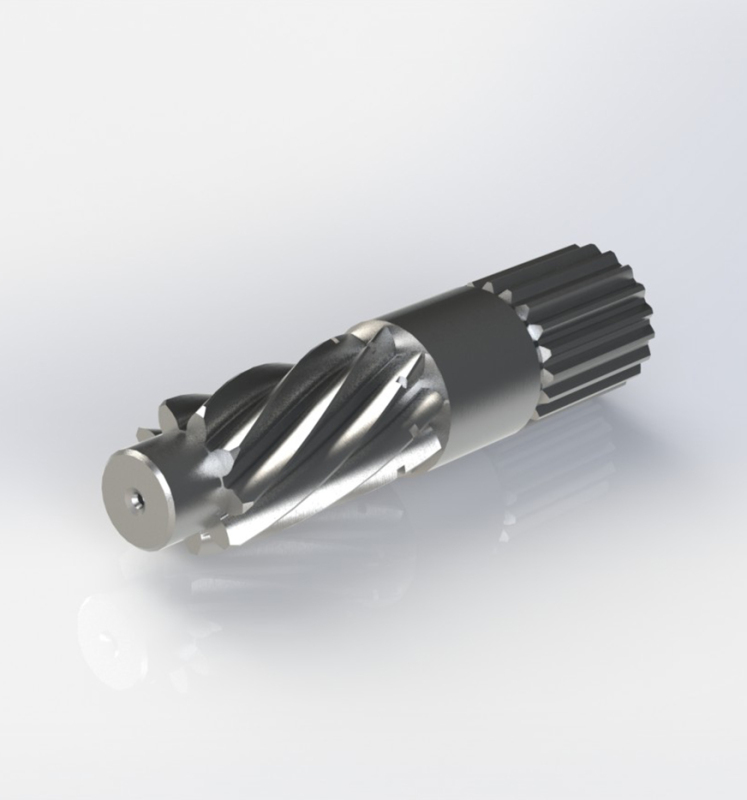
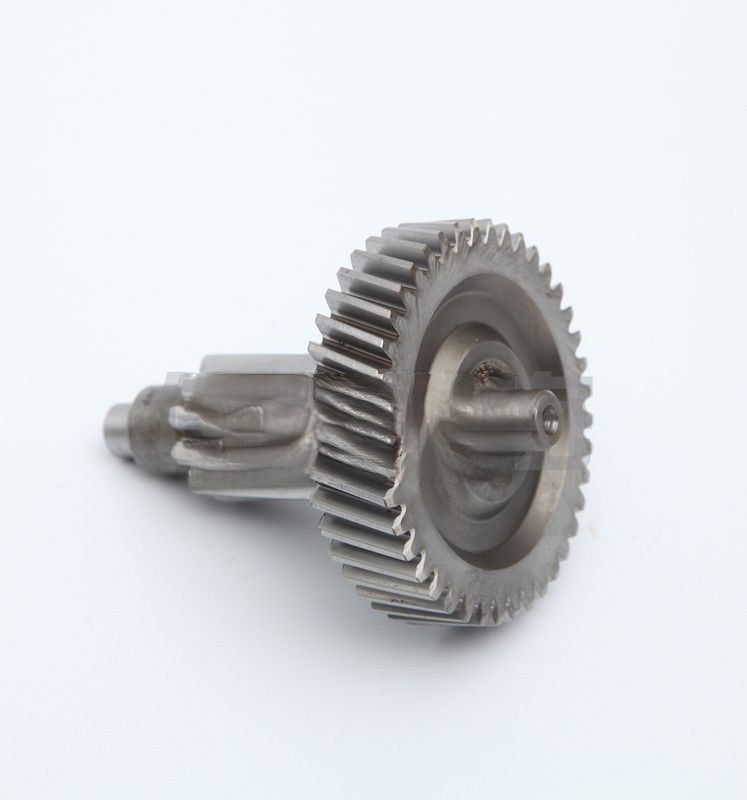
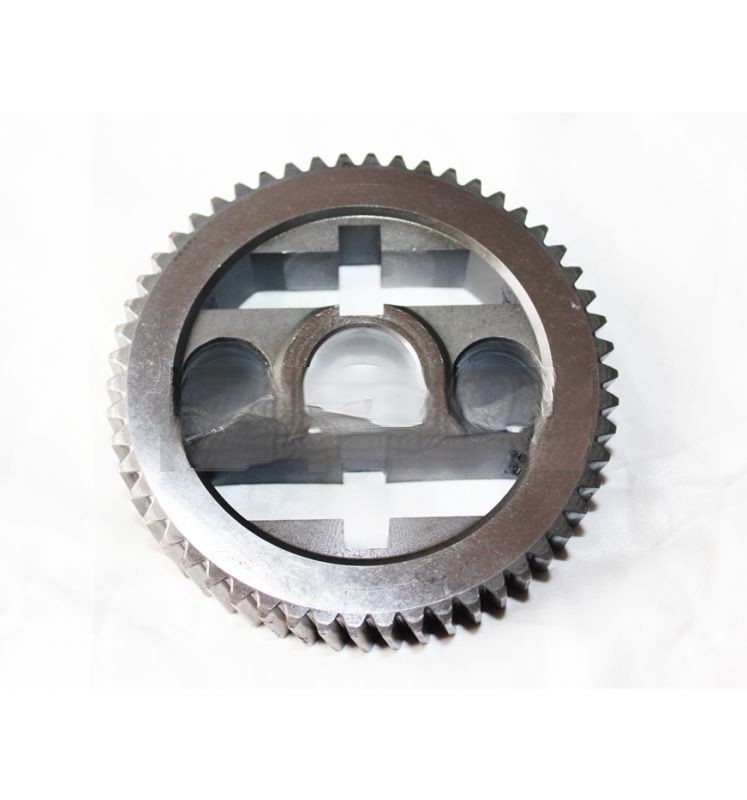
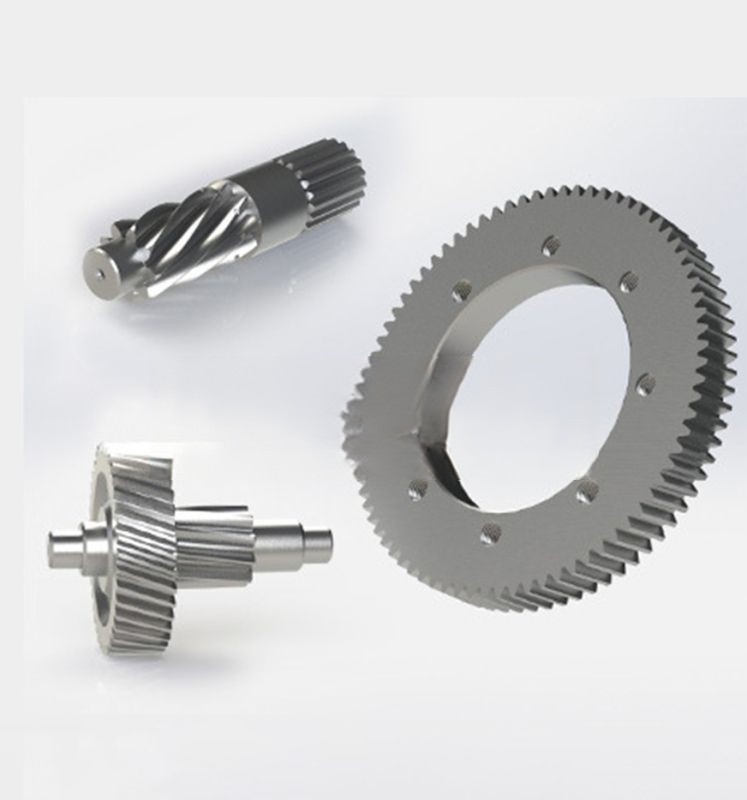
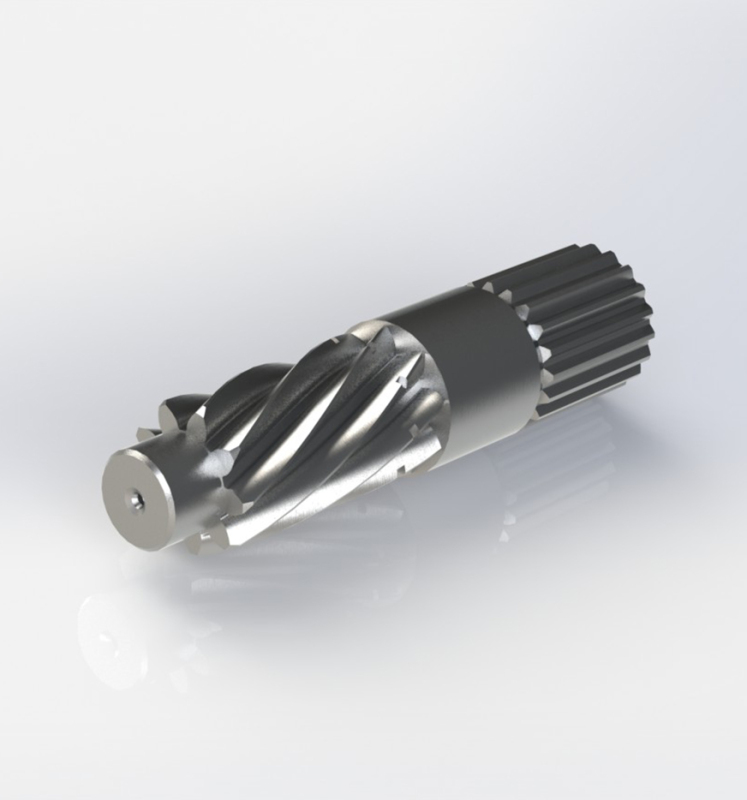
Helical gears Helical gears work smoother and quieter than spur gears due to the interaction of the teeth. The teeth on a helical gear are cut at an angle to the gear face. As two teeth begin to engage, contact is gradual - starting at one end of the tooth and maintaining contact as the gears rotate to full engagement. Typical helix angles range from about 15-30 degrees. Thrust loads vary directly with the magnitude of the tangent to the helix angle. Spirals are commonly used gears in transmissions. They also generate a lot of thrust and use bearings to help support the thrust load. Helical gears can be used to adjust the rotation angle by 90 degrees. when mounted on a vertical axis.
Helical teeth operate the same as helical gears. They generate less vibration and noise than straight teeth. To the right of the helical ramp is the outer half of the tooth, inclined to travel clockwise from the plane of the axis.
Production