global@hmeonline.com
Mon to Fri 09:00 – 17:30






Structure of engineering hydraulic cylinder
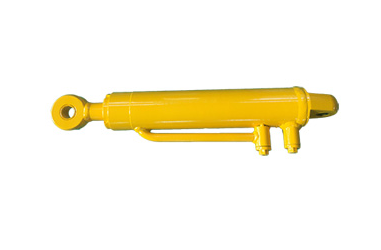
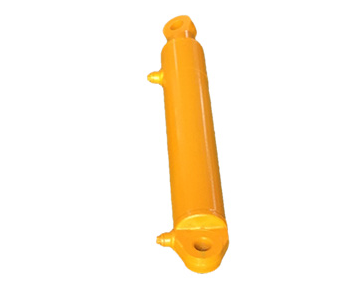
The inner part of the cylinder block is divided into two parts by a piston, namely a large chamber and a small chamber; Large cavity refers to the inner cavity of the cylinder block after the piston rod is fully extended; Small cavity refers to the inner cavity of engineering hydraulic cylinder body and rod body after the piston rod is fully extended; As the viscosity of hydraulic oil is high and the compression ratio is small, when the oil enters the oil port at the bottom of the cylinder, the piston will be pushed to make the oil outlet of the cylinder head, and the piston will drive the piston rod to extend or retract, and vice versa.
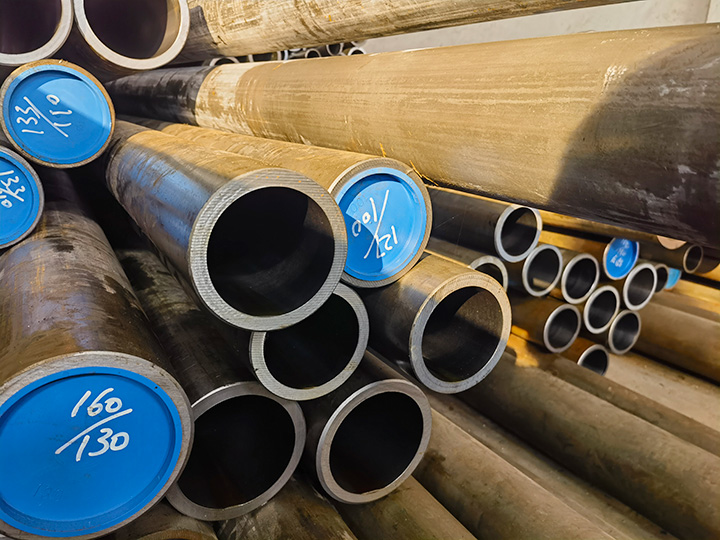
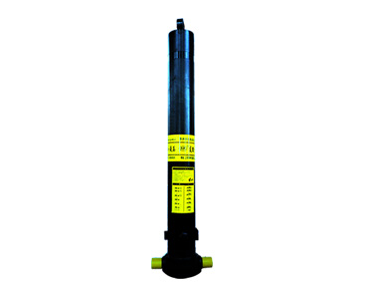
The hydraulic oil cylinder is generally composed of cylinder barrel, piston rod, cylinder head, piston, seals, etc.
The cylinder barrel (TUBE) is composed of four parts: cylinder block, flange, cylinder bottom and bushing. The piston rod (ROD) is composed of three parts: 1. rod body, 2. ear ring, 3. bushing and above;
There are five basic components of stainless steel oil cylinder: cylinder barrel and head, piston and piston rod, sealing device, buffer device and exhaust device.
Specification
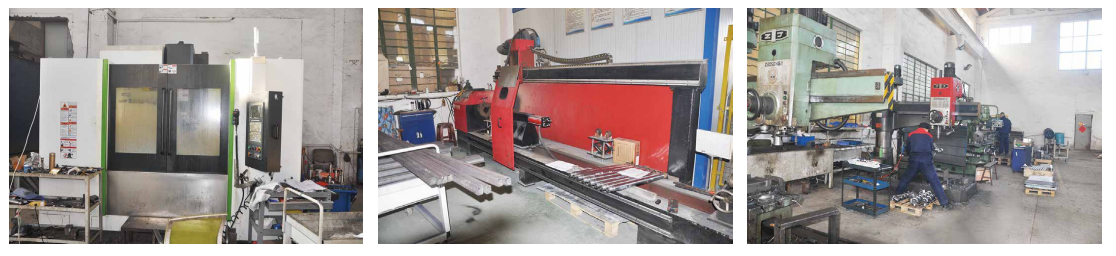
Production