global@hmeonline.com
Mon to Fri 09:00 – 17:30






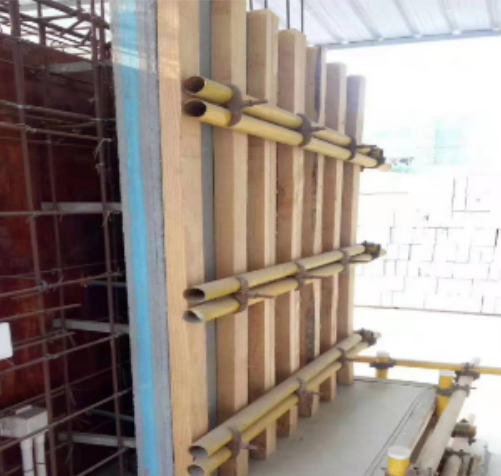
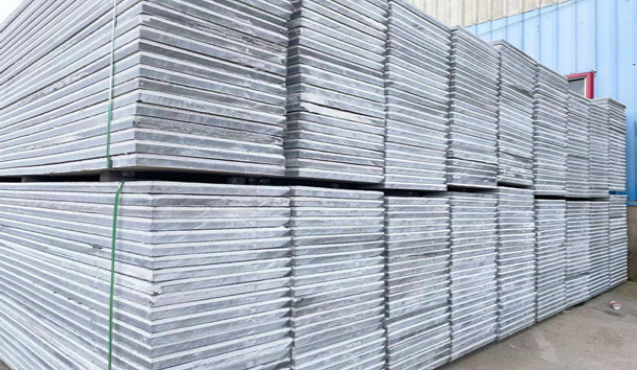
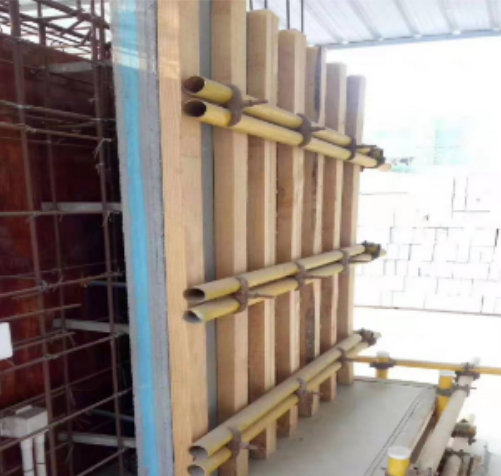
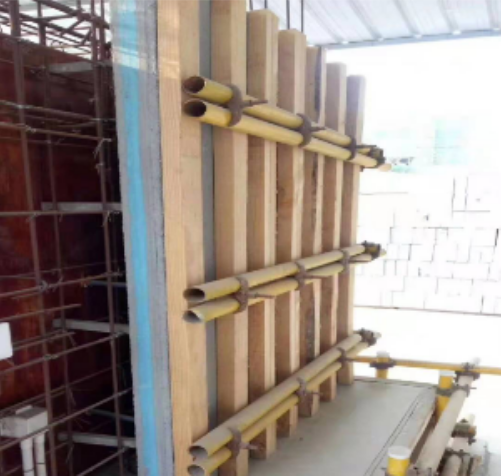
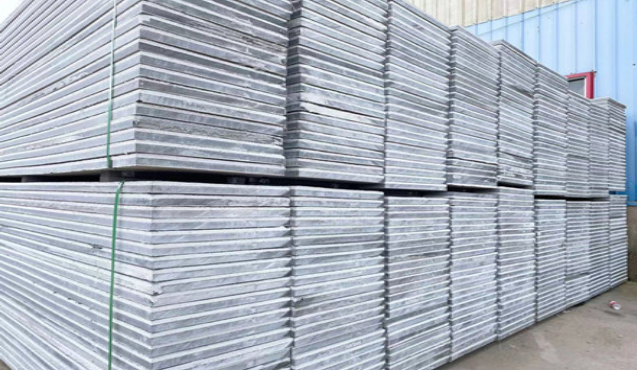
The DNA cast-in-place concrete structure demountable template composite insulation system is a thermal insulation structure system formed by taking the cement-based double-layer composite insulation board as the outer template, pouring concrete on the inner side, plastering anti-crack mortar protective layer on the outer side, and firmly connecting the double-layer composite insulation template and the concrete through connectors.
Specification
The thickness and height can be customized according to customer requirements.
Product advantages
1. The design and construction technology is simple and easy to be popularized and applied in a large area.
The load-bearing structure form of cast-in-place concrete frame (frame-shear wall) structure remains unchanged, the beam column and shear wall are still designed according to the current standards and specifications, the design standards and calculation software are complete, the construction technology is mature, and it is easy to promote and apply in a large area.
2. It has achieved the technical requirements of integration and achieved the purpose of building insulation and structure with the same service life.
Cast-in-situ concrete components such as beams, columns and shear walls of the frame (frame-shear wall) structure are poured at a relatively high place, and are firmly connected by connectors with "sheep" angle nuts, meeting the technical requirements of synchronous design, synchronous construction and synchronous acceptance, and achieving the purpose of building insulation and the same service life of the structure.
3. Multi-layer structure design is adopted, with high strength and good thermal insulation performance.
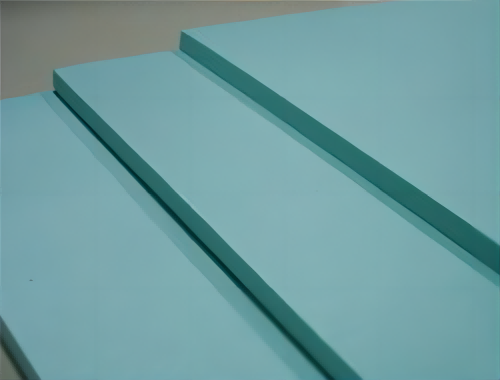
The plastic composite thermal insulation outer formwork is composed of graphite extruded thermal insulation board, internal and external bonding reinforcement layer and thermal insulation transition layer. It has high mechanical strength and can be directly used as the outer formwork. It has good thermal insulation performance and meets the standard requirements of 75% building energy conservation.
4. It has good fire protection performance.
The two main facades on the inside and outside of the insulation layer are covered with cement polymer mortar protective layer, which can effectively avoid fire during the construction process. After the completion of the construction project, the cement mortar protective layer on the outside of the insulation layer reaches more than 50 mm, which meets the requirements of the Code for Fire Protection Design of Buildings, with good fire protection performance and no fire hazard.
5. Adopt engineering prefabrication form to ensure product engineering quality.
All the sexual composite thermal insulation external formworks are prefabricated in the factory. In the process of use, there is no opportunity for counterfeiting, and the phenomenon of jerry-building is eliminated. In the process of concrete pouring, the product quality of the sexual composite thermal insulation external formworks has been verified on site, effectively preventing the use of fake and shoddy products in construction projects.
6. The thermal insulation transition layer is creatively set to avoid common quality problems such as hollowing and cracking of the plastering layer.
The thermal insulation transition layer is set in the structural type design of the thermal insulation external formwork, which alleviates the strain of the thermal insulation formwork due to environmental changes, and avoids the common quality problems such as hollowing and cracking of the plastering layer, as well as the safety accidents caused by falling off.
7. The combination of thermal insulation and formwork is relatively low.
The composite thermal insulation external formwork can be directly used as the external formwork of cast-in-place concrete structure engineering. The combination of thermal insulation and formwork reduces the construction process and the amount of formwork, eliminates the need for other thermal insulation treatment, improves the construction efficiency and greatly reduces the comprehensive cost of the project.
Production