global@hmeonline.com
Mon to Fri 09:00 – 17:30






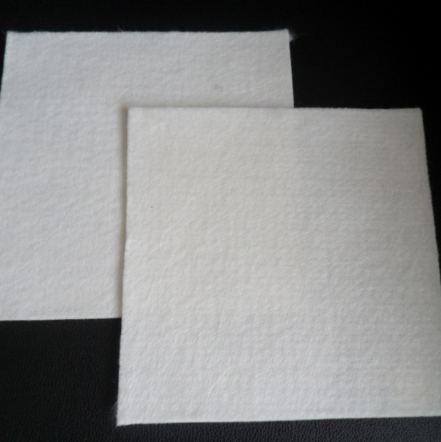
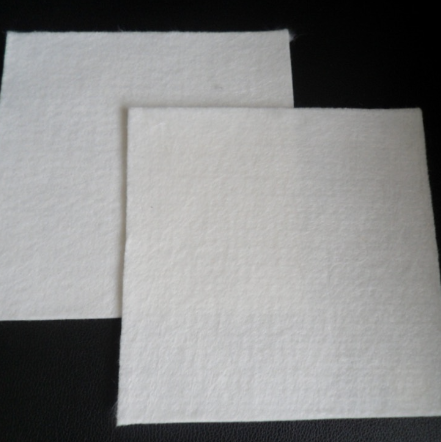
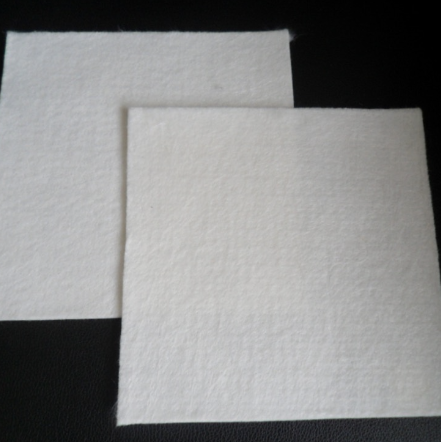
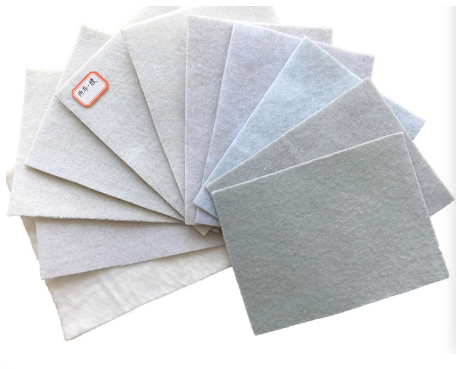
Short-fiber geotextile
Overview: It is produced mainly from polypropylene or polyester short fibers through processes such as carding, combing, blending, laying of mesh, needle-punching, and spraying of water-repellent agents.
Properties: It has excellent water permeability, filtration performance, soil retention ability, and can play the roles of isolation, drainage, filtration, and protection; it is resistant to acid and alkali, aging, corrosion, microorganisms, and has a long service life; it has low cost and favorable price; the construction is simple and the use is convenient.
Applications: Water conservancy projects, dams, roads, airports, buildings, etc. Notes for Attention
1. Geotextile can only be cut using a geotextile cutter (hook knife). If cutting is done on-site, special protective measures must be taken for other materials to prevent unnecessary damage to the geotextile during the cutting process.
2. When laying the geotextile, all necessary measures must be taken to prevent damage to the underlying layer of materials.
3. When laying the geotextile, be careful not to allow stones, large amounts of dust or water, etc., which may damage the geotextile, block the drainage channels or filter nets, or cause difficulties in the subsequent connection, to enter the geotextile or beneath it.
4. After installation, visually inspect all the surfaces of the geotextile to identify all damaged areas, mark them, and repair them. Ensure that the laying surface has no foreign substances that may cause damage, such as broken needles or other debris.
Specification