global@hmeonline.com
Mon to Fri 09:00 – 17:30






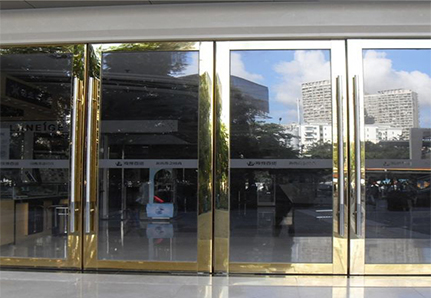
Firstly, fireproof glass can be divided into composite fireproof glass (represented by FFB) and single piece fireproof glass (represented by DFB) according to its structure.
According to fire resistance, it can be divided into: insulated fireproof glass (Class A) and non insulated fireproof glass (Class C).
According to product types, fire-resistant glass is a special type of glass that can maintain its integrity during specified fire resistance tests. It is divided into three categories according to product types:
Class A
Fireproof glass that meets the requirements of both fire integrity and fire insulation. It includes two types: composite fire-resistant glass and poured fire-resistant glass. This type of glass has transparent, fireproof (smoke, fire, and heat radiation shielding), sound insulation, and impact resistance properties, and is suitable for building decorative steel and wood fireproof doors, windows, upper lighting, partition walls, daylighting roofs, smoke blocking vertical walls, perspective floors, and other building components that require both transparency and fire resistance.
Class B
At the same time, the fireproof glass meets the requirements of fire integrity and thermal radiant intensity. This type of fireproof glass is mostly composite fireproof glass with characteristics of transparency, fire resistance, and smoke insulation.
Class C
Single piece fire-resistant glass that only meets the requirements of fire resistance integrity. This type of glass has the characteristics of transparency, fire resistance, smoke isolation, and high strength. Suitable for fireproof glass partition walls, fireproof windows, outdoor curtain walls, etc. without insulation requirements.
Specification