global@hmeonline.com
Mon to Fri 09:00 – 17:30







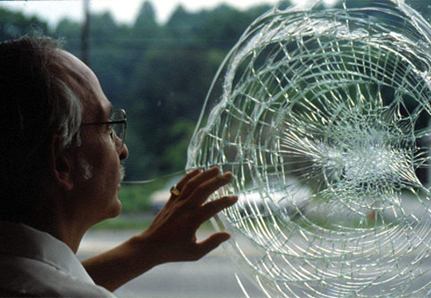
Bulletproof glass is a composite material obtained by special processing of glass (or organic glass) and high-quality engineering plastics. It is usually a transparent material, such as PVB/polycarbonate fiber thermoplastic. It has the appearance of ordinary glass and the ability to transmit light, providing some protection for small weapon shooting.
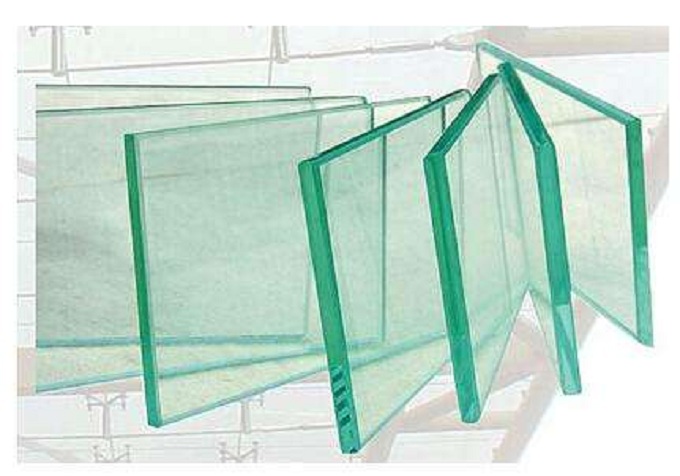
Bulletproof glass is actually made by bonding multiple pieces of glass or high-strength organic panels together using transparent bonding materials. Generally, there are three layers of structure:
① Bearing layer: This layer first undergoes impact and ruptures, usually using thick and high-strength glass that can damage or change the shape of the warhead, causing it to lose its ability to continue moving forward.
② Transition layer: Generally made of organic bonding material, with strong adhesion and good light resistance, it can absorb some impact energy and change the direction of bullet movement. A very strong and transparent chemical film is sandwiched in laminated glass. This not only effectively prevents bullets from firing, but also has properties such as surge resistance, explosion resistance, shock resistance, and no cracking after impact.
③ Safety protection layer: This layer uses high-strength glass or high-strength transparent organic materials, which have good elasticity and toughness, can absorb the majority of impact energy, and ensure that bullets cannot pass through this layer
The most important performance indicator of bulletproof glass is its bulletproof ability. The indicators of bulletproof ability are measured from two aspects: one is the safety protection ability, and the other is the killing ability of the protected gun.
Specification