- Agriculture / Food
- Apparel / Textiles / Accessories
- Auto / Transportation
- Bags / Shoes / Accessories
- Electronics
- Electrical Equipment / Components / Telecoms
- Gifts / Sports / Toys
- Health / Beauty
- Home / Lights / Construction
- Machinery / Industrial Parts / Tools
- Metallurgy / Chemicals / Rubber / Plastics
- Packaging / Advertising / Office
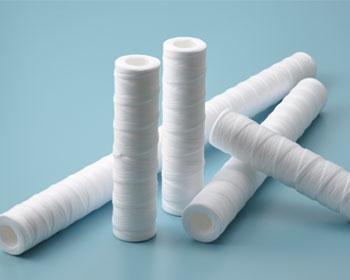
Filter element
-
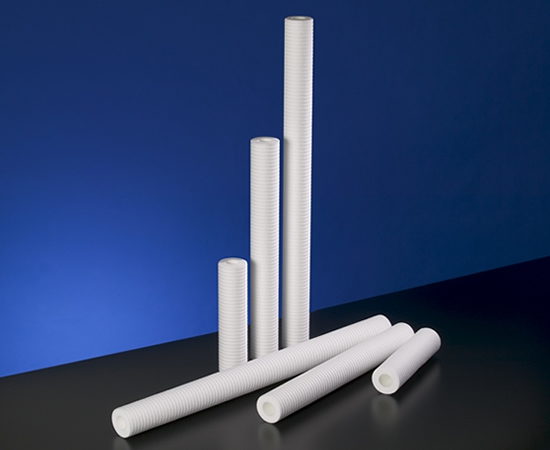
JNC Filter Cartridge GF Series
The material used is a polyolefin series of two-component composite fibers (ES fibers). After being heated, the cross-contact points of the fibers are firmly bonded together to form a stable spatial structure.
At the same time, the fiber density from the outside to the inside of the filter layer is designed to be an ideal density gradient. -
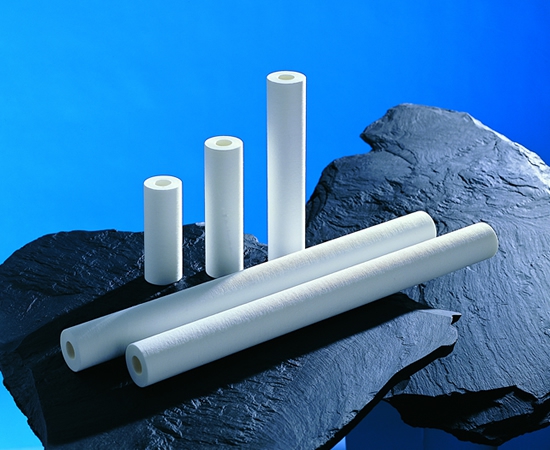
JNC Filter Cartridge CPH Series
The material is made of thermally bonded polyester fibers. When heated, the cross-contact points of the fibers form a stable spatial structure. At the same time, the fiber density from the outside to the inside of the filter layer is designed to be an ideal density gradient.
-
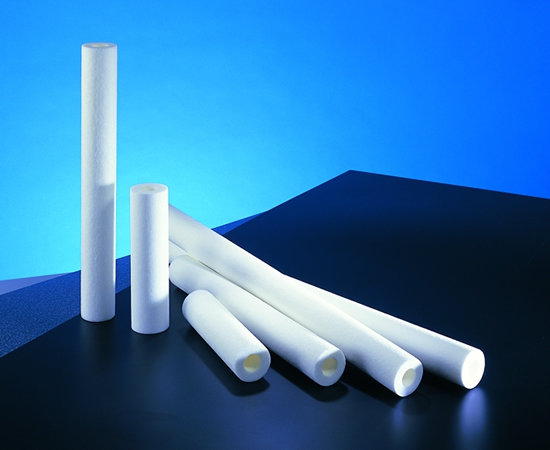
JNC filter cartridge BM series
Using JNC's uniquely developed polypropylene fiber, the fiber diameter gradually decreases from the outside to the inside of the filter layer, and the fiber cross-contact points are thermally bonded together. This creates a stable void structure and gives the filter element a perfect density gradient.
-
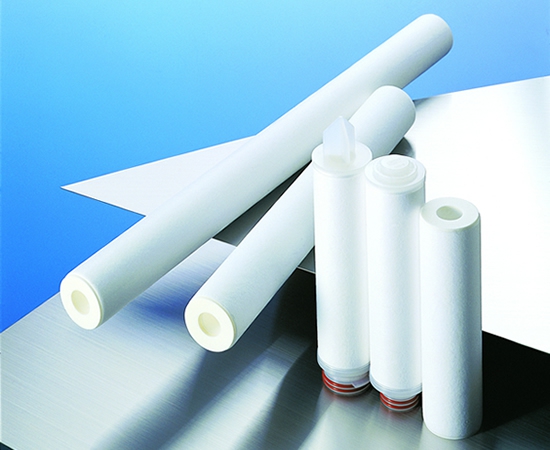
JNC filter cartridge CP2 series
Using JNC's uniquely developed special polypropylene fiber, the contact points of each fiber are heated to form a three-dimensional network structure, resulting in a high porosity and excellent pressure resistance. Furthermore, the fiber is not lubricated, eliminating air bubbles during the initial filtration phase. Furthermore, it inherits the excellent filtration characteristics of the CP filter element, making it a highly reliable filter element.
-
JNC Filter - AS Series - Lithium Battery Slurry Special
Utilizing ES, a special polyolefin fiber developed independently by Chisso JNC without the use of any adhesives, the fibers are thermally bonded at their intersections, creating a unique and stable three-dimensional mesh structure. This structure offers advantages such as high flow rate, high pressure resistance, and stable filtration accuracy. Furthermore, the fiber density gradually increases from the outer edge of the filter layer to the inner edge, increasing deep dirt retention while maintaining filtration accuracy and extending service life.