- Agriculture / Food
- Apparel / Textiles / Accessories
- Auto / Transportation
- Bags / Shoes / Accessories
- Electronics
- Electrical Equipment / Components / Telecoms
- Gifts / Sports / Toys
- Health / Beauty
- Home / Lights / Construction
- Machinery / Industrial Parts / Tools
- Metallurgy / Chemicals / Rubber / Plastics
- Packaging / Advertising / Office
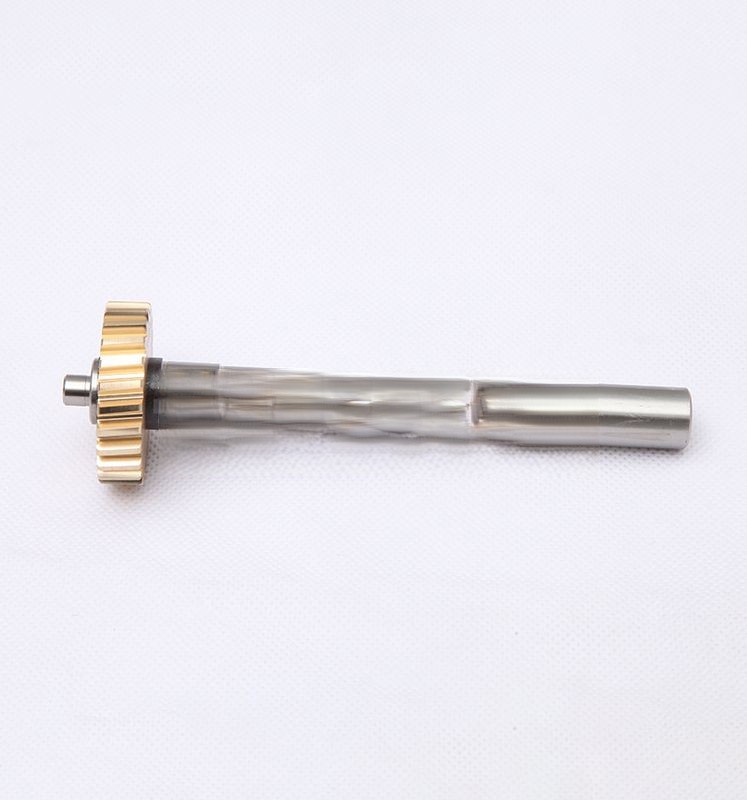
Pedal Motor Gear Series
-
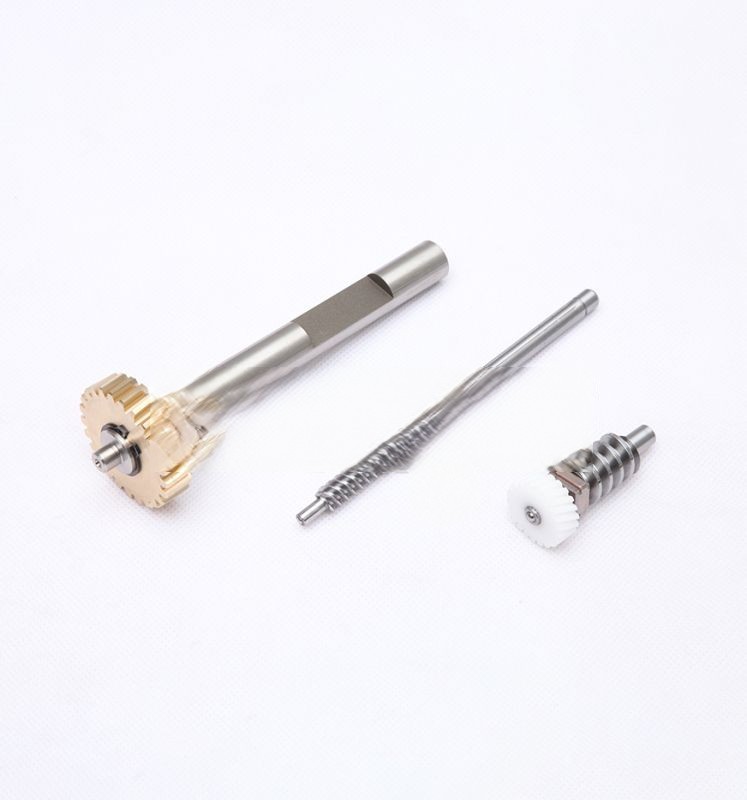
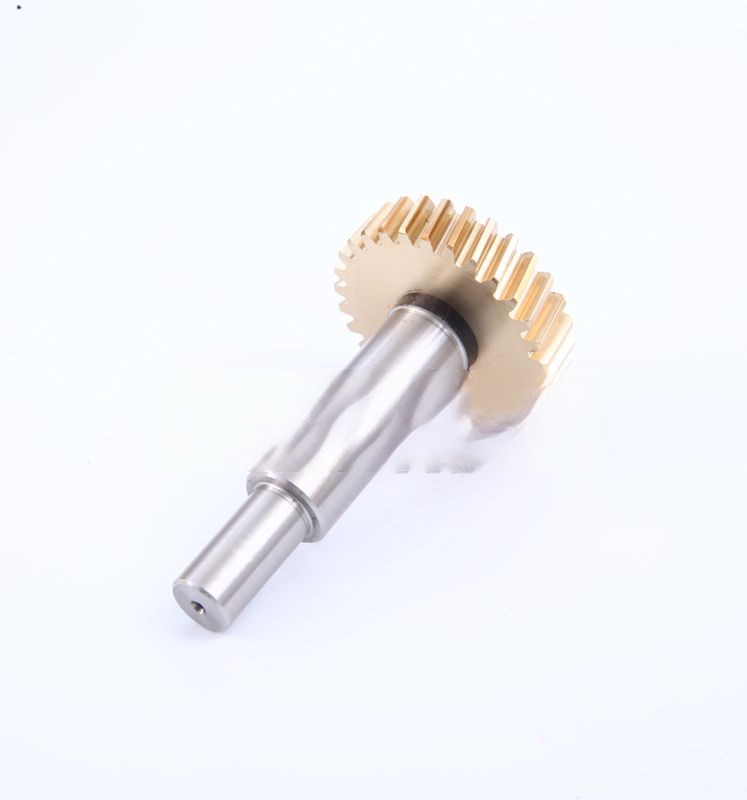
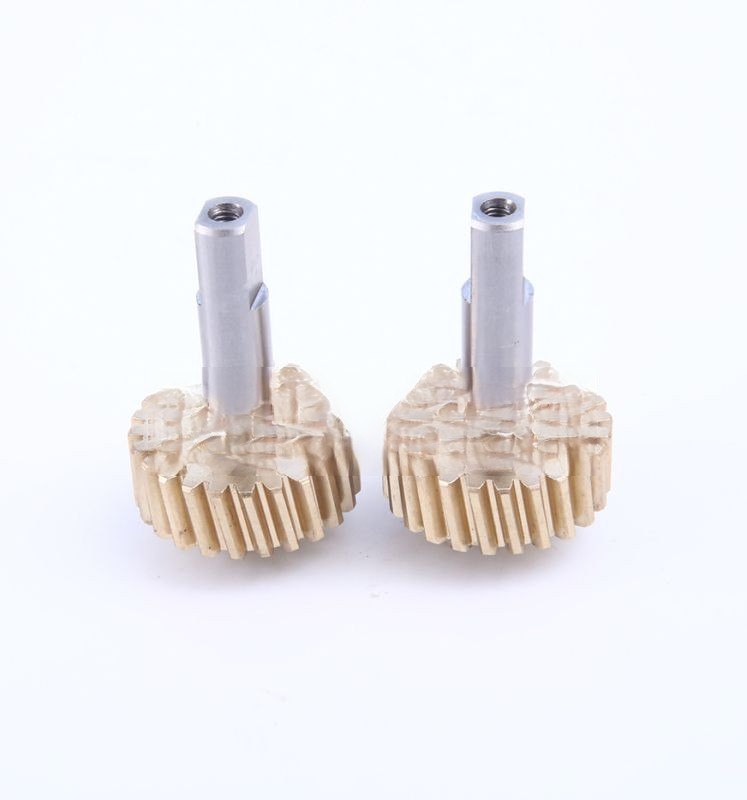
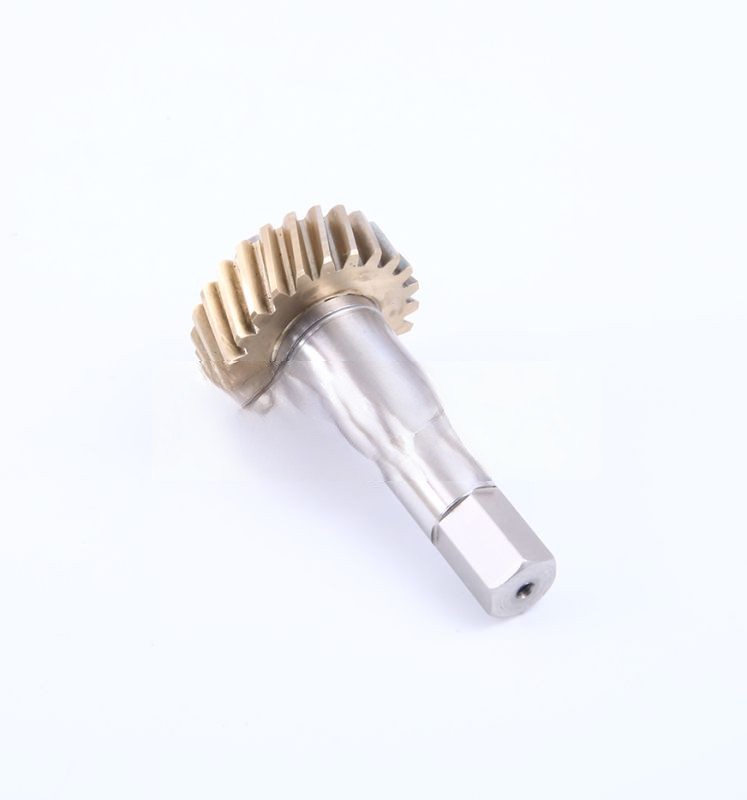
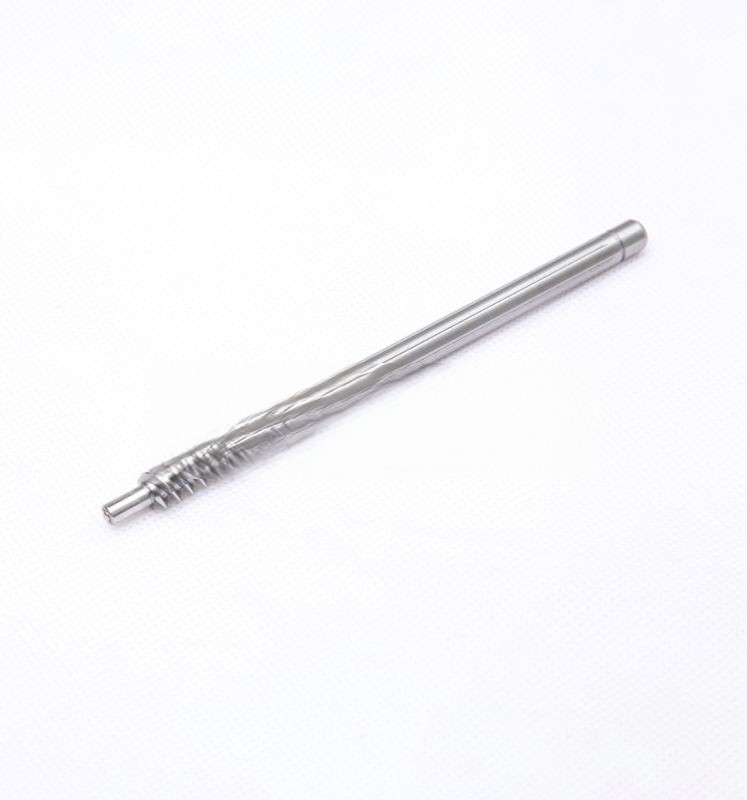
Car Pedal Motor Worm Gear Assembly
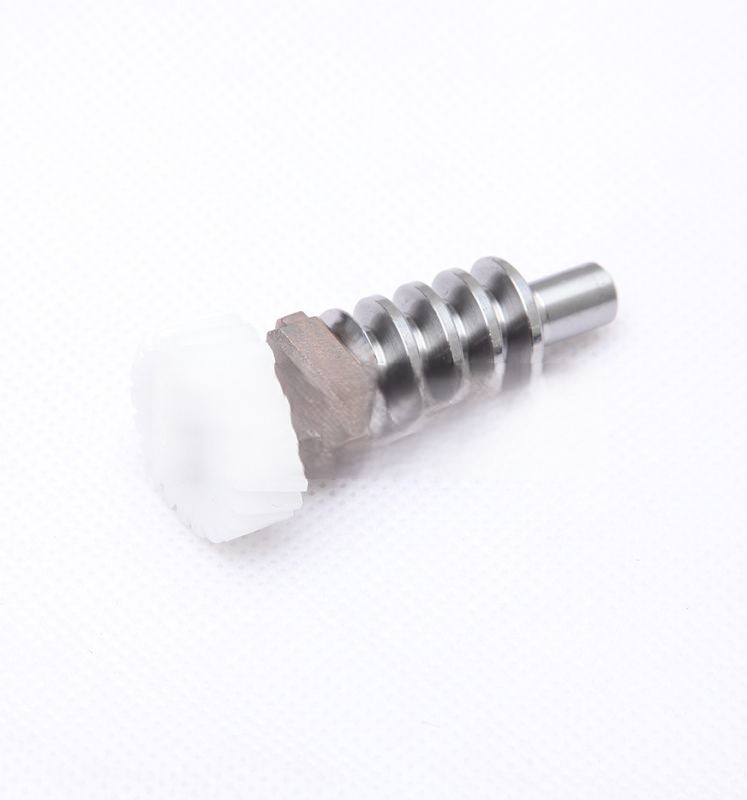
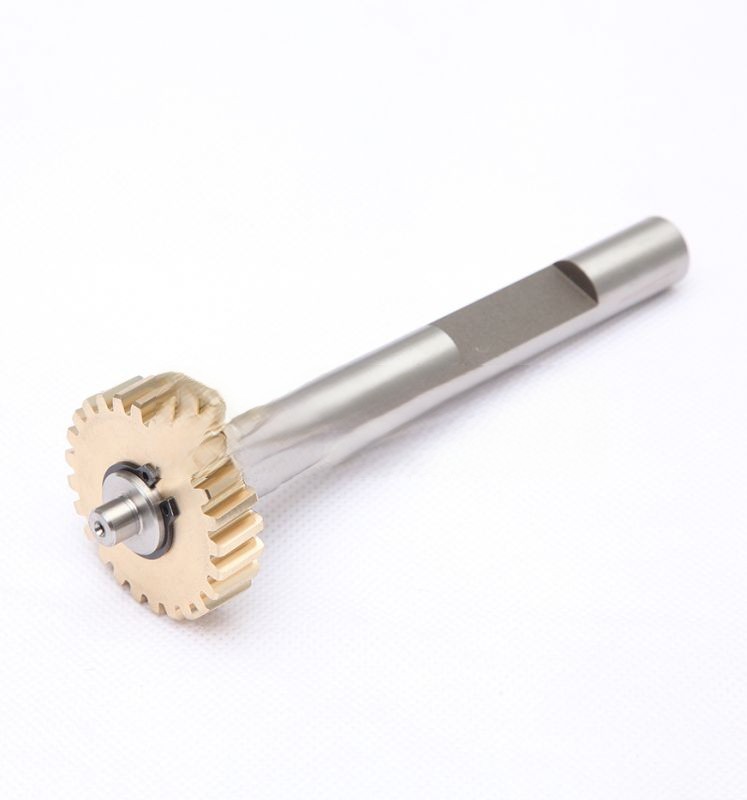
The worm gear assembly transmission of automobile pedal motor is a kind of gear transmission. It is composed of a worm and a turbine. The worm drives the turbine. The mechanism is often used to transmit the motion and power between two interlaced shafts. Precision worm gear products have the characteristics of large transmission ratio, stable transmission, low noise, self-locking, etc., and are usually used in occasions that require large deceleration.
The precision worm gear reduction ratio depends on the number of worm heads (number of teeth) and the number of teeth of the worm gear, and the transmission ratio is the quotient of the number of teeth of the worm gear divided by the number of worm heads. Generally speaking, worms are made of hard metals, while worm wheels are made of relatively soft metals such as aluminum bronze. -
Single Head First Stage Worm Gear Assembly
A worm gear consists of a worm and a gear whose axes are parallel and non-intersecting to each other at a 90-degree angle. The worm is like a screw with a V-thread and the gear is like a spur gear. A worm is usually the driving component, and the threads of the worm advance the teeth of the gear.
One-stage worm gear assemblies Like ball screws, the worm in a worm gear may have one or more starts - meaning multiple threads or spirals on the worm. For a single-start worm, each full revolution of the worm advances the gear by one tooth. -
Secondary Worm Gear Assembly
A worm gear consists of a worm and a gear whose axes are parallel and non-intersecting to each other at a 90-degree angle. The worm is like a screw with a V-thread and the gear is like a spur gear. A worm is usually the driving component, and the threads of the worm advance the teeth of the gear.
Secondary Worm Gear Assemblies Like ball screws, the worm in a worm gear may have one or more starts - meaning multiple threads or spirals on the worm. For a single-start worm, each full revolution of the worm advances the gear by one tooth.
The meshing of worm gear assemblies and gears is a mixture of sliding and rolling actions, but the sliding contact is dominated by high reduction ratios. This sliding action creates friction and heat, which limits the efficiency of the worm gear to between 30% and 50%. To minimize friction, the worm and gears are made of dissimilar metals—for example, the worm might be hardened steel and the gears bronze or aluminum. -
Stainless Steel Pedal Motor Gear
The closed transmission efficiency is 96%~99%, which has a great economic effect on high-power transmission.
The compact layout requires less space than belt and chain drives.
The transmission ratio is strengthened.
Reliable work, long life, properly designed and produced, and well-maintained gear transmission. -
Motor Gear
The function of the machine tool has been increased, such as hobbing small taper and drum gears, etc. has become extremely simple.
The transmission chain is shortened, and the semi-closed-loop or full-closed-loop control is adopted at the same time. The positioning accuracy and repeatability of each axis can be improved through numerical control compensation, thereby improving the machining accuracy and Cp value of the machine tool and increasing the reliability of the machine tool.
When changing the variety, because the time for calculating and changing the split gear and differential gear, feeding and spindle shifting is saved, the gear shaping machine also saves the time for changing the inclined guide rail, thereby reducing the auxiliary processing time and increasing the flexibility of the machine tool.
Since the mechanical structure becomes simpler, it can be designed to be more conducive to improving the rigidity of the machine tool and reducing thermal deformation to the bottom. -
Copper Secondary Worm Gear Assembly
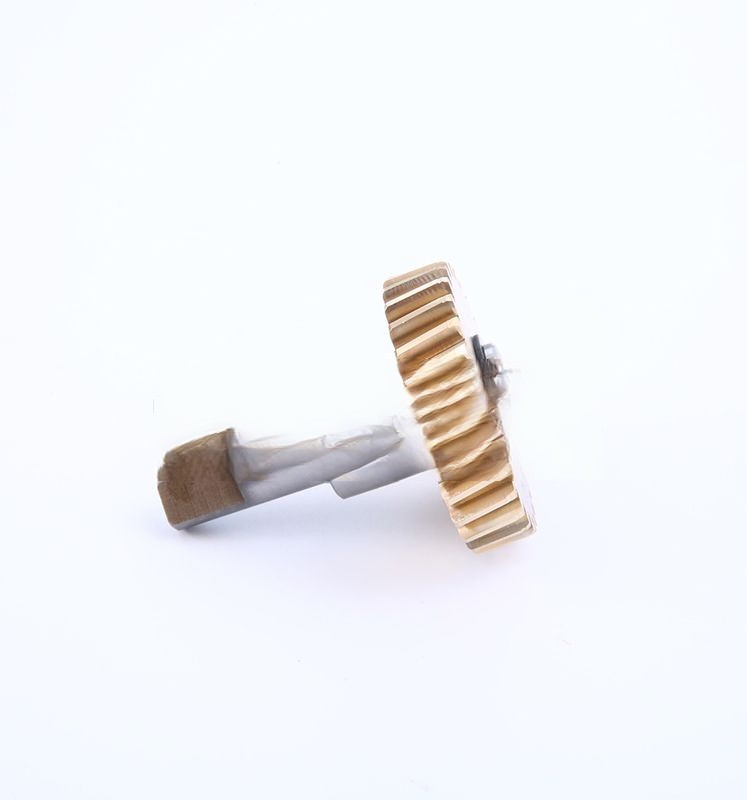
Spur gears are gears that drive between two parallel shafts, and are also easily imagined and common gears. Since the tooth flanks are parallel to the axis of the assembly shaft, spur gears generate no thrust (axial force) in the gearbox. In addition, due to the simple processing of spur gears, gears with high precision can be manufactured.
It is not limited to spur gears, but is often used to handle gears that require a slight change in center distance and increased gear strength. Displacement is achieved by adjusting the distance between the hob and the gear. Positive displacement results in increased flexural strength of the gear, negative displacement results in a slight reduction in the center distance. Backlash is the gap between the tooth surfaces of a pair of gears when they mesh. Backlash is very necessary if you want a pair of gears to mesh and rotate smoothly. However, the existence of cogging makes the meshing worse and the noise increases, thus reducing the transmission accuracy. On the contrary, if the tooth pitch is too small, it is easy to cause poor lubrication and damage to the gear. -
WD Secondary Worm Gear Assembly
Spur gears are gears that drive between two parallel shafts, and are also easily imagined and common gears. Since the tooth flanks are parallel to the axis of the assembly shaft, spur gears generate no thrust (axial force) in the gearbox. In addition, due to the simple processing of spur gears, gears with high precision can be manufactured.
It is not limited to spur gears, but is often used to handle gears that require a slight change in center distance and increased gear strength. Displacement is achieved by adjusting the distance between the hob and the gear. Positive displacement results in increased flexural strength of the gear, negative displacement results in a slight reduction in the center distance. Backlash is the gap between the tooth surfaces of a pair of gears when they mesh. Backlash is very necessary if you want a pair of gears to mesh and rotate smoothly. However, the existence of cogging makes the meshing worse and the noise increases, thus reducing the transmission accuracy. On the contrary, if the tooth pitch is too small, it is easy to cause poor lubrication and damage to the gear. -
Wd3440 Rotating Shaft
The function of the machine tool has been increased, such as hobbing small taper and drum gears, etc. has become extremely simple.
After shortening the transmission chain and adopting semi-closed-loop or full-closed-loop control, the positioning accuracy and repeatability accuracy of each axis can be improved through numerical control compensation, thereby improving the machining accuracy and Cp value of the machine tool and increasing the reliability of the machine tool.
When changing the variety, because it saves the time for calculating and changing the split gear and differential gear, feed and spindle gear shifting, the gear shaping machine also saves the time for changing the inclined guide rail, thereby reducing the auxiliary processing time and increasing the flexibility of the machine tool.
Since the mechanical structure becomes simpler, it can be designed to be more conducive to improving the rigidity of the machine tool and reducing thermal deformation to the bottom. -
Pedal Motor Copper Turbine
Secondary Worm Gear Assemblies Like ball screws, the worm in a worm gear may have one or more starts - meaning multiple threads or spirals on the worm. For a single-start worm, each full revolution of the worm advances the gear by one tooth.
The meshing of worm gear assemblies and gears is a mixture of sliding and rolling actions, but the sliding contact is dominated by high reduction ratios. This sliding action creates friction and heat, which limits the efficiency of the worm gear to between 30% and 50%. To minimize friction, the worm and gears are made of dissimilar metals—for example, the worm might be hardened steel and the gears bronze or aluminum. -
Rotating Shaft
The function of the machine tool has been increased, such as hobbing small taper and drum gears, etc. has become extremely simple.
After shortening the transmission chain and adopting semi-closed-loop or full-closed-loop control, the positioning accuracy and repeatability accuracy of each axis can be improved through numerical control compensation, thereby improving the machining accuracy and Cp value of the machine tool and increasing the reliability of the machine tool.
When changing the variety, because it saves the time for calculating and changing the split gear and differential gear, feed and spindle gear shifting, the gear shaping machine also saves the time for changing the inclined guide rail, thereby reducing the auxiliary processing time and increasing the flexibility of the machine tool.
Since the mechanical structure becomes simpler, it can be designed to be more conducive to improving the rigidity of the machine tool and reducing thermal deformation to the bottom. -
Double Head First Stage Worm Gear Assembly
A worm gear consists of a worm and a gear whose axes are parallel and non-intersecting to each other at a 90-degree angle. The worm is like a screw with a V-thread and the gear is like a spur gear. A worm is usually the driving component, and the threads of the worm advance the teeth of the gear.
One-stage worm gear assemblies Like ball screws, the worm in a worm gear may have one or more starts - meaning multiple threads or spirals on the worm. For a single-start worm, each full revolution of the worm advances the gear by one tooth.