- Agriculture / Food
- Apparel / Textiles / Accessories
- Auto / Transportation
- Bags / Shoes / Accessories
- Electronics
- Electrical Equipment / Components / Telecoms
- Gifts / Sports / Toys
- Health / Beauty
- Home / Lights / Construction
- Machinery / Industrial Parts / Tools
- Metallurgy / Chemicals / Rubber / Plastics
- Packaging / Advertising / Office
Vibration Motor
-
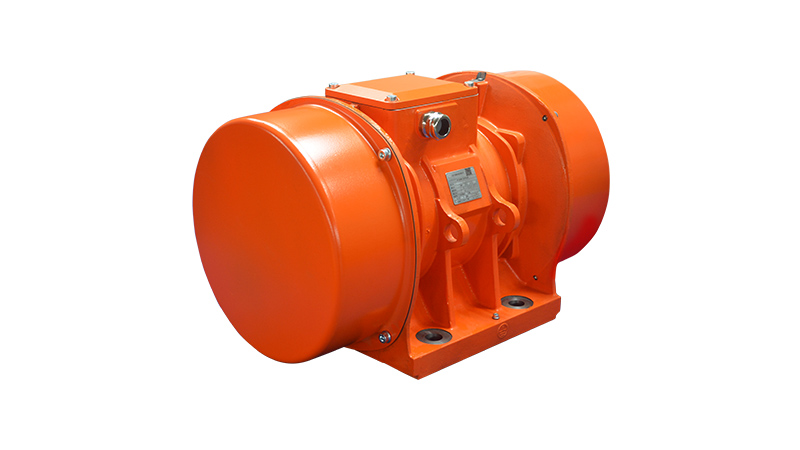
Horizontal vibration motor
The horizontal vibration motor is equipped with a set of adjustable eccentric blocks on each end of the rotor shaft, utilizing the centrifugal force generated by the high-speed rotation of the shaft and eccentric blocks to obtain the excitation force. Vibration motors are widely used in industrial sectors such as hydropower construction, thermal power generation, metallurgy, and light industry.
-
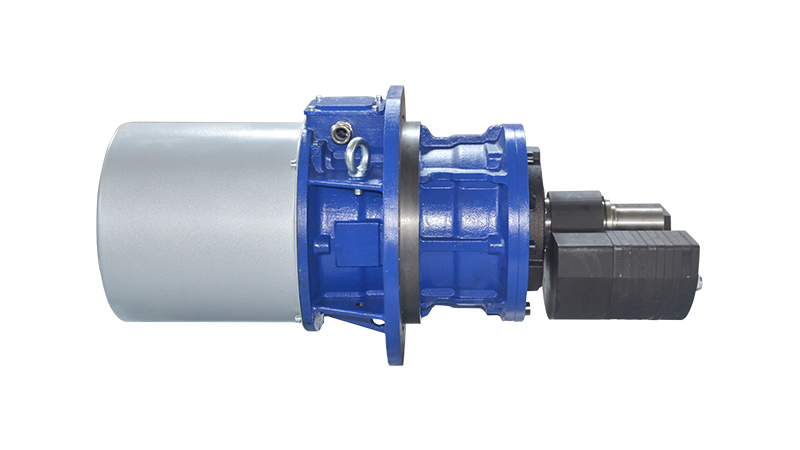
Vertical vibration motor
Vertical vibration motor products are widely used in equipment such as vibration finishing machines, vibration crushers, rotary vibration cleaners, vibration dryers, and vibration mixers. In particular, they are extensively used in rotary vibration screens (circular vibrating screens) to improve screening efficiency and accuracy, efficiently clean the surface quality of irregular parts, and enhance crushing or mixing effects.
-
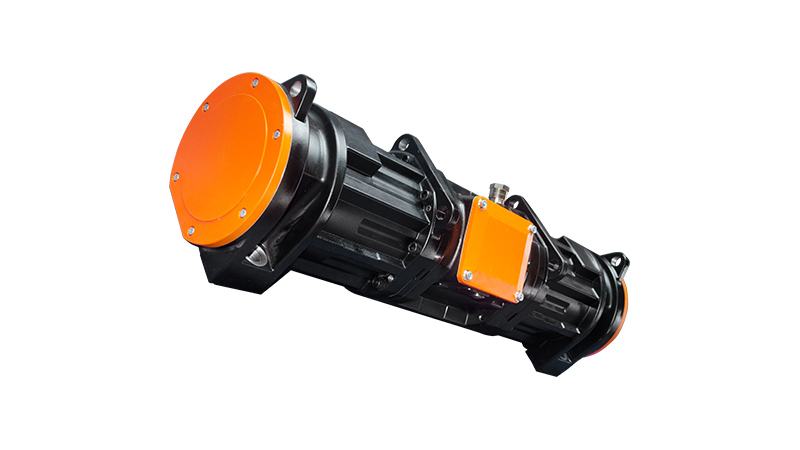
Side plate vibration motor
The side-plate vibration motor, also known as the side-plate type vibration motor due to its installation and fixation on both side plates of the vibration equipment, operates on the same principle and serves the same purpose as the horizontal vibration motor. The primary difference lies in its installation method. The excitation source of the side-plate vibration motor is transmitted through direct bolt fastening between the mounting holes on the flange plate in the middle of the motor housing and the side plates on both sides of the vibration equipment.
-
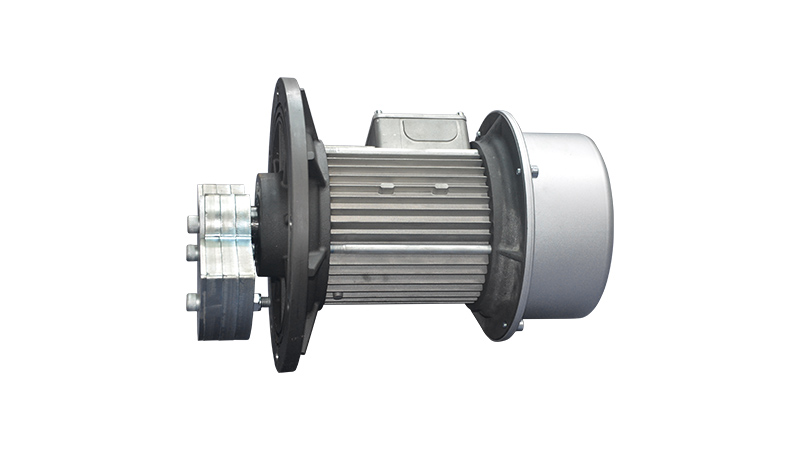
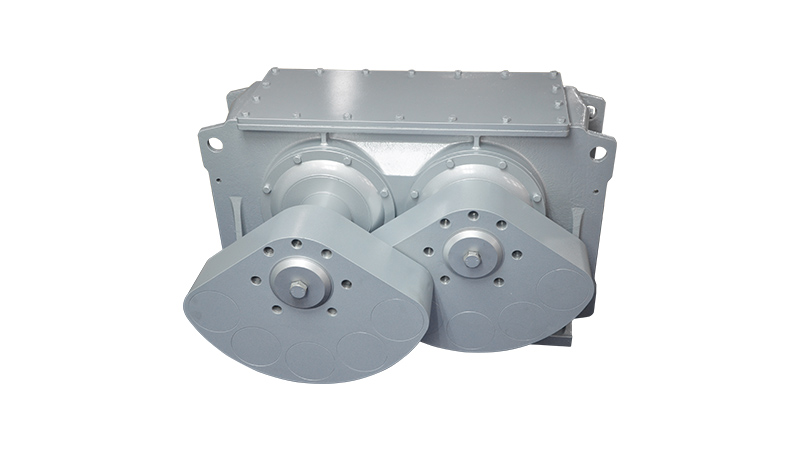
Box-type thin oil vibration exciter
An exciter is a device attached to certain machinery and equipment to generate excitation force, and it is an important component for utilizing mechanical vibration. The exciter enables the excited object to obtain a certain form and magnitude of vibration, thereby allowing vibration and strength tests on the object, or calibrating vibration testing instruments and sensors.