- Agriculture / Food
- Apparel / Textiles / Accessories
- Auto / Transportation
- Bags / Shoes / Accessories
- Electronics
- Electrical Equipment / Components / Telecoms
- Gifts / Sports / Toys
- Health / Beauty
- Home / Lights / Construction
- Machinery / Industrial Parts / Tools
- Metallurgy / Chemicals / Rubber / Plastics
- Packaging / Advertising / Office
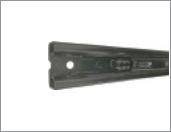
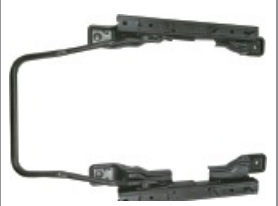
Car Seat Rails
-
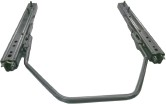
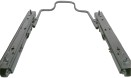
Double locking slides
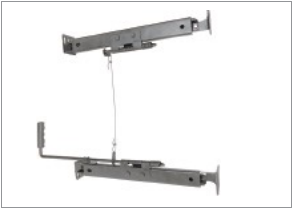
The car seat adjustment mechanism mainly includes the seat height adjustment mechanism front and rear displacement adjustment mechanism (ie seat slide rail), the backrest elevation angle adjustment mechanism (ie the angle adjuster) and the seat cushion forward tilt angle adjustment mechanism.
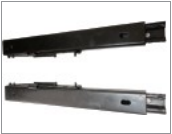
The sliding rail is a mechanism for adjusting the front and rear displacement of the seat in the longitudinal horizontal position of the carriage. There are single locking sliding rails and double locking sliding rails. The selection of the sliding rails is generally determined according to the locking strength. For example: when the seat belt fixing point is not on the seat, a single locking slide rail is generally used; when the seat belt fixing point is on the seat, a double locking slide rail or a reinforced double locking slide rail is used. The size of the slide rail displacement, that is, the distance between the front and rear adjustment of the seat, should be determined according to the corresponding human body size and ergonomic principles. Generally, the front and rear adjustment distance is 0~±100 mm. -
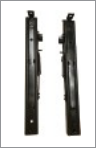
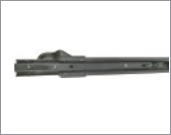
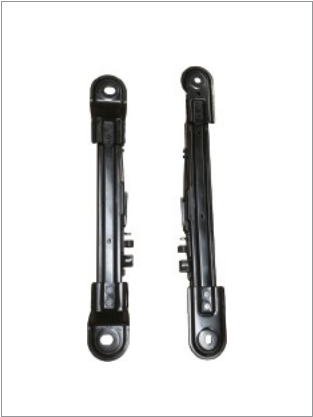
IVECO slides
The car seat adjustment mechanism mainly includes the seat height adjustment mechanism front and rear displacement adjustment mechanism (ie seat slide rail), the backrest elevation angle adjustment mechanism (ie the angle adjuster) and the seat cushion forward tilt angle adjustment mechanism.
The sliding rail is a mechanism for adjusting the front and rear displacement of the seat in the longitudinal horizontal position of the carriage. There are single locking sliding rails and double locking sliding rails. The selection of the sliding rails is generally determined according to the locking strength. For example: when the seat belt fixing point is not on the seat, a single locking slide rail is generally used; when the seat belt fixing point is on the seat, a double locking slide rail or a reinforced double locking slide rail is used. The size of the slide rail displacement, that is, the distance between the front and rear adjustment of the seat, should be determined according to the corresponding human body size and ergonomic principles. Generally, the front and rear adjustment distance is 0~±100 mm.